
Urban Apparitions
Fragments of memory, ideology, and invisible urban narratives
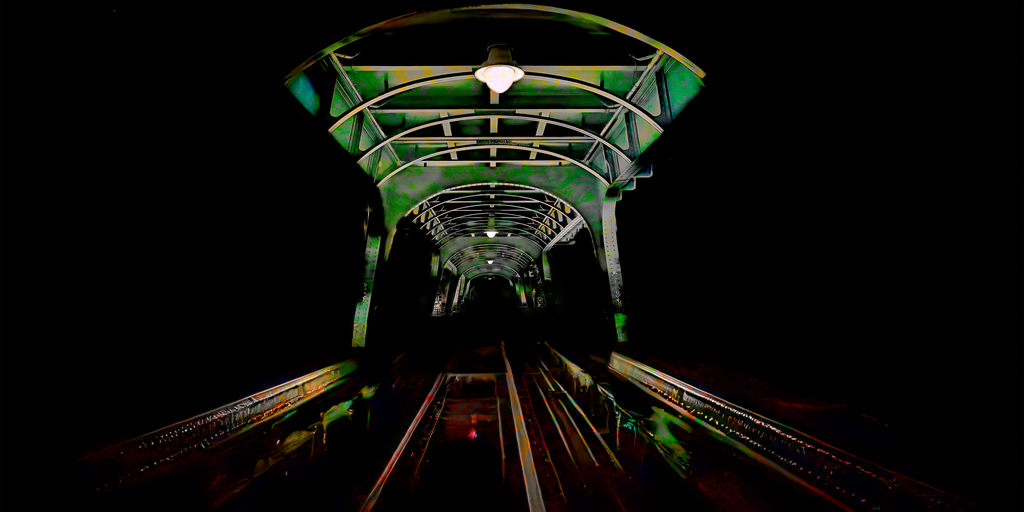
When The Night Rider Takes The Underground
“When The Night Rider Takes The Underground” stages urban infrastructure as an almost dystopian space. The illuminated structure above the tracks appears as a final point of orientation within a surrounding void. Movement is not represented directly but experienced atmospherically. The work reflects urban mobility as a psychological condition suspended between isolation, control, and dissolution. Location: Berlin.
[ Collector Preview → ]
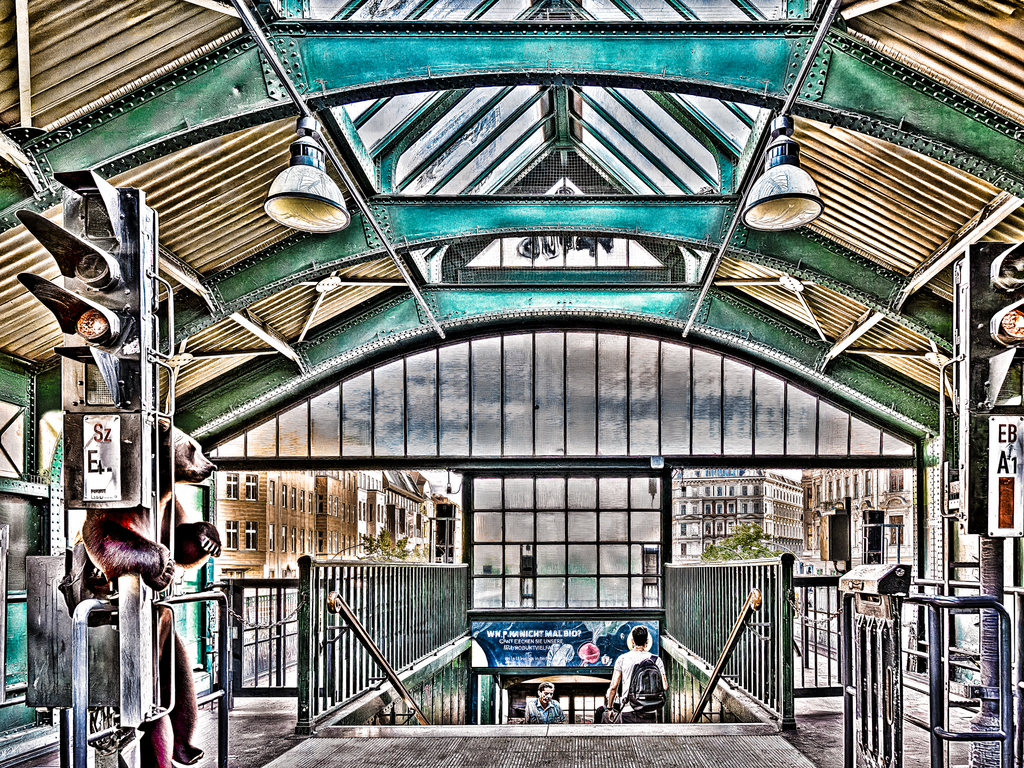
I Still Have A Bear In Berlin
The work connects urban transit architecture with symbolic fragments of Berlin’s identity. The title references the city’s cultural markers in both an ironic and melancholic way. The station becomes a threshold space: a site of constant movement where individuals briefly emerge before dissolving once again into the urban flow. The visual language oscillates between documentary precision and digital estrangement. Location: Berlin.
[ Collector Preview → ]
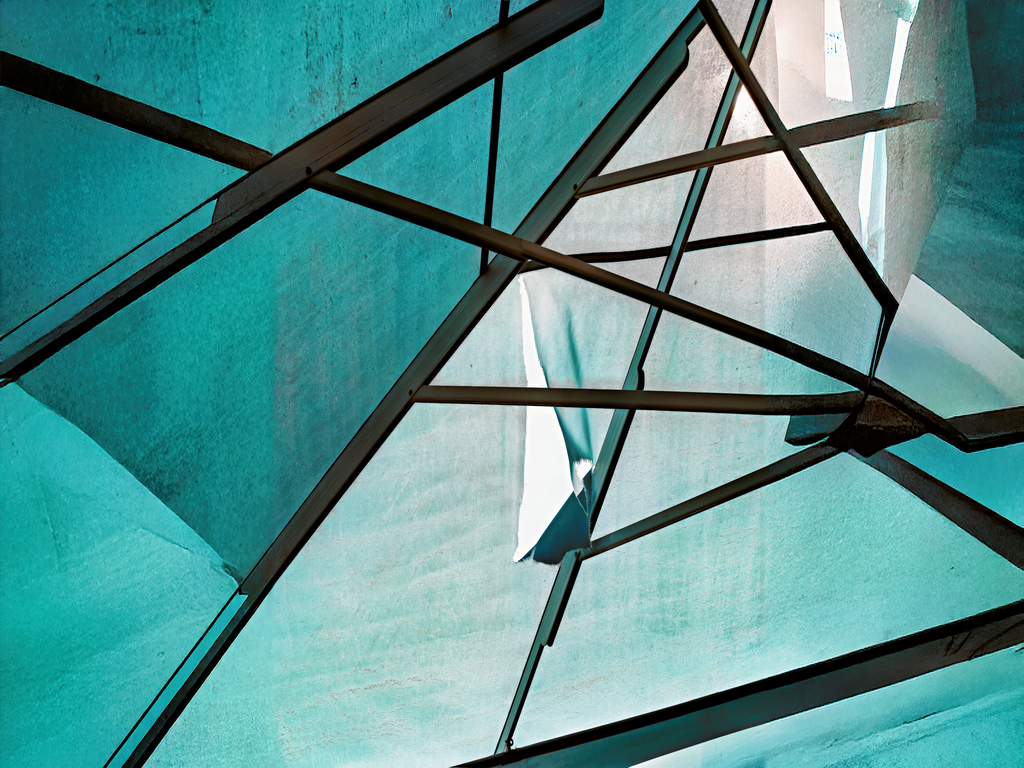
Geometric Symphony
The photographic condensation of geometric lines and translucent surfaces transforms the architecture of UNO City into an almost immaterial system of rhythm and tension. The composition points to the abstract structures of global administrative processes, revealing how political systems are organized through spatial order, repetition, and seriality. Location: UNO City Vienna.
[ Collector Preview → ]
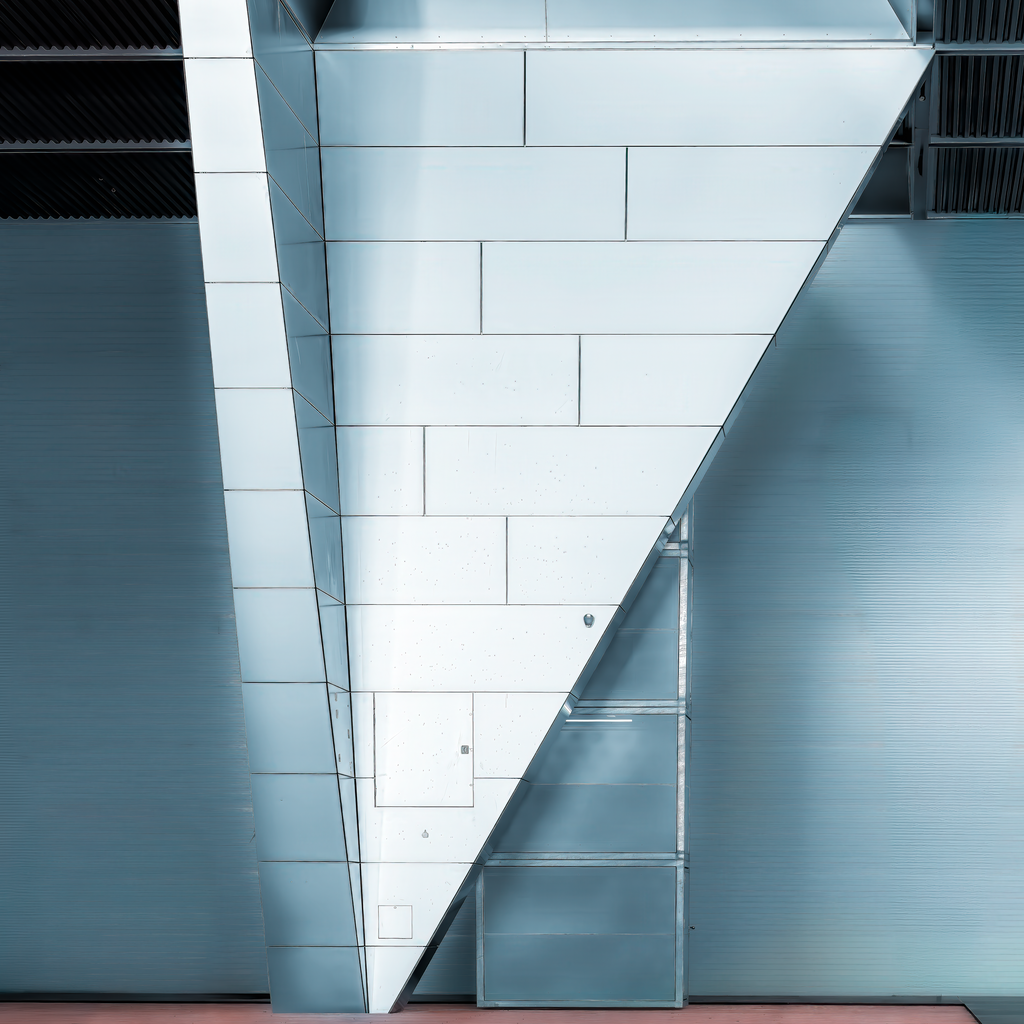
Diagonal of Power
The radical reduction to symmetry, surface, and perspective directs attention to the silent authority of institutional architecture. The image investigates thresholds, boundaries, and the logic of standardized spaces in which orientation and control are inseparably linked. The emptiness of the motif intensifies the impression of an anonymized political infrastructure. Location: UNO City Vienna.
[ Collector Preview → ]
Berlin Pub
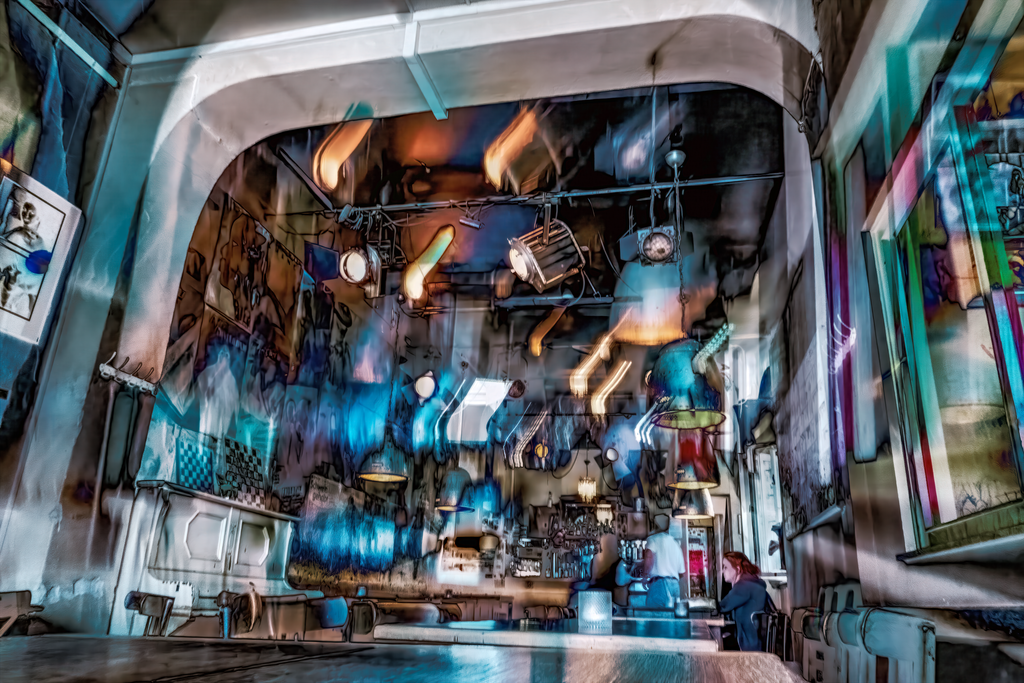
“Berlin Pub” presents the urban interior as condensed social energy. Through layered movements and perspectives, the location transforms into a visual echo of collective nightlife culture. People appear only as traces of presence, while architecture and atmosphere become the true protagonists. The work reflects the fragility of social proximity within accelerated urban environments. Location: Berlin.
[ Collector Preview → ]
Berlin Escapes Routes
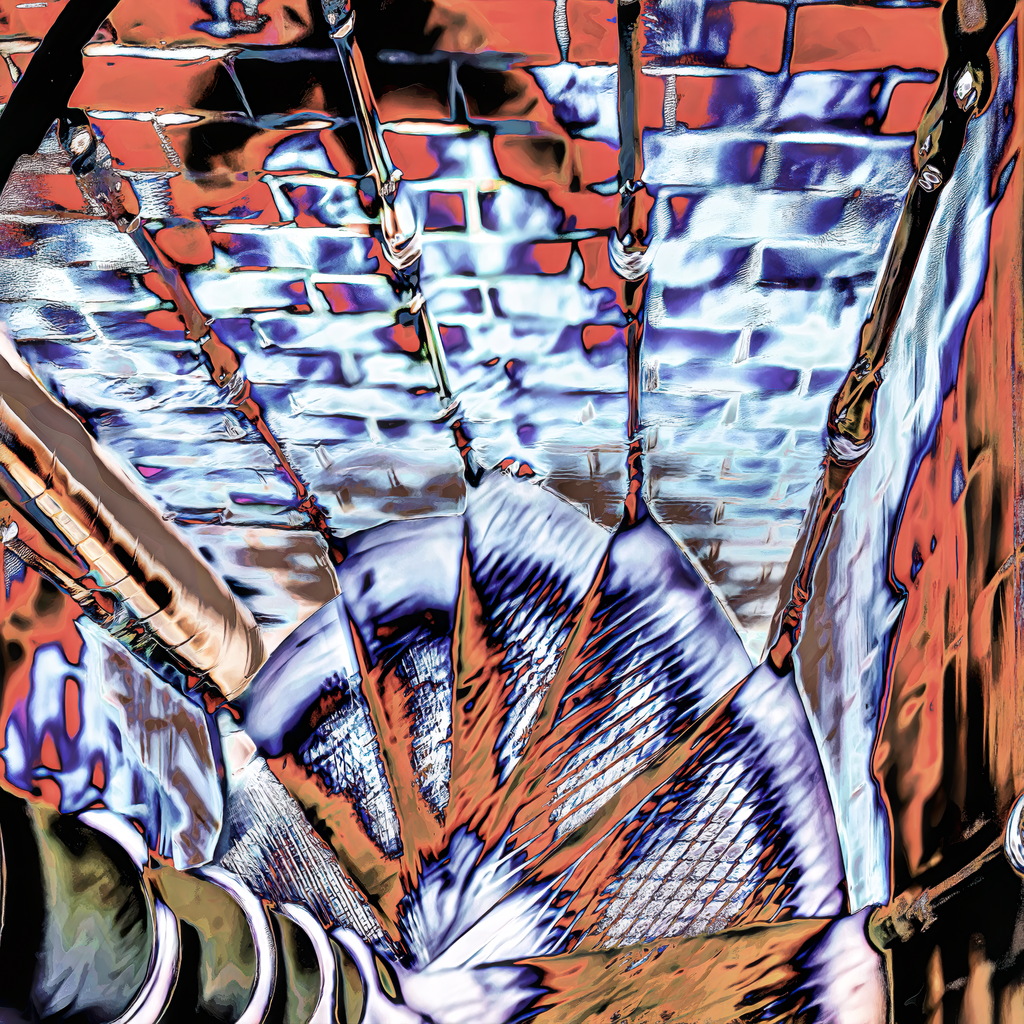
The spiral movement in “Berlin Escape Routes” creates a spatial disorientation oscillating between stairwell, tunnel, and psychological state. The work examines urban spaces as systems of invisible choreographies in which movement signifies both freedom and control. The intense coloration reinforces the impression of a fragmented perceptual environment. Location: Berlin.
[ Collector Preview → ]
Fragmented Transparency
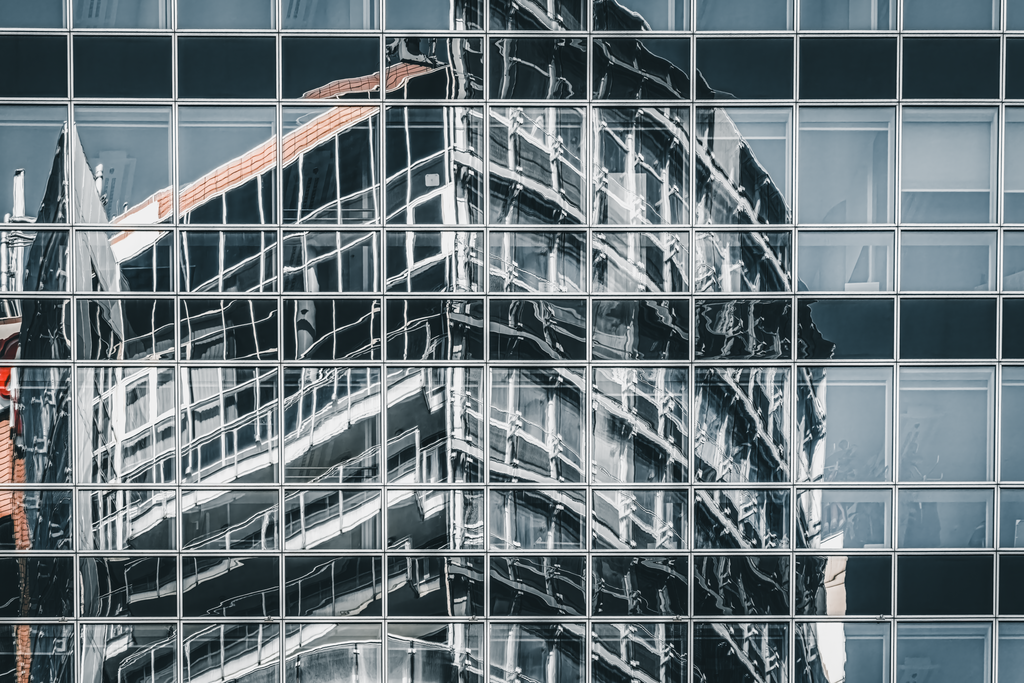
The reflective glass facade destabilizes the readability of architectural order. Interior and exterior merge into a fragmented image of institutional transparency that simultaneously suggests openness and control. Distorted reflections create visual uncertainty, allowing architecture to appear less as a static structure than as a fluid political space. Location: UNO City Vienna.
[ Collector Preview → ]
Berlin Flushing
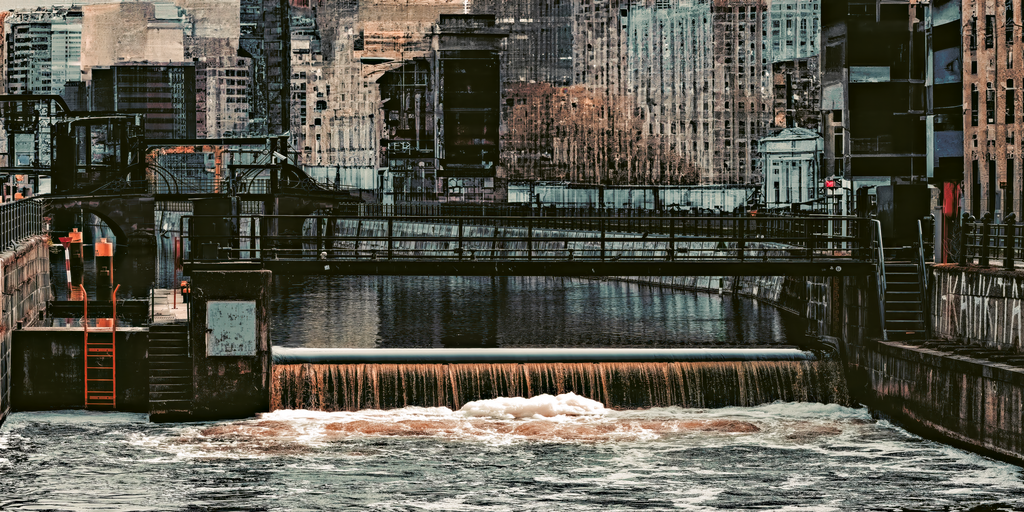
“Berlin Flushing” focuses on the hidden infrastructures of the city. The flow of water appears both controlled and unpredictable – a metaphor for urban systems that constantly regulate while remaining inherently unstable. The work combines industrial structures with an almost melancholic stillness, opening a poetic perspective onto functional architecture. Location: Berlin.
[ Collector Preview → ]
Berlin Moon
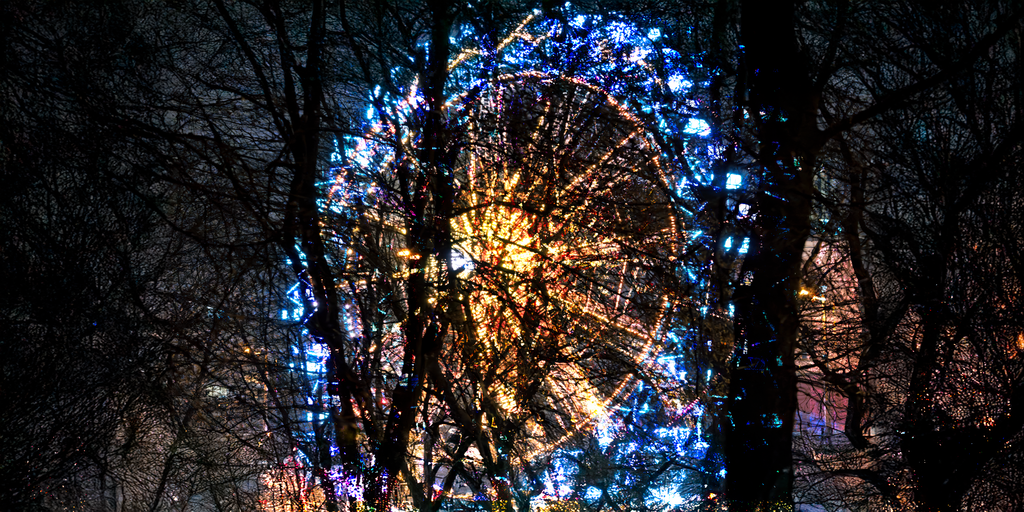
“Berlin Moon” condenses urban light structures into an almost cosmic apparition. Hidden behind the dark silhouettes of trees, the Ferris wheel becomes a floating sign suspended between entertainment, memory, and isolation. The work reflects on the tension between fragments of nature and artificial overstimulation — an urban night sky in which orientation and perception become unstable. Location: Berlin.
[ Collector Preview → ]
Quo Vadis?
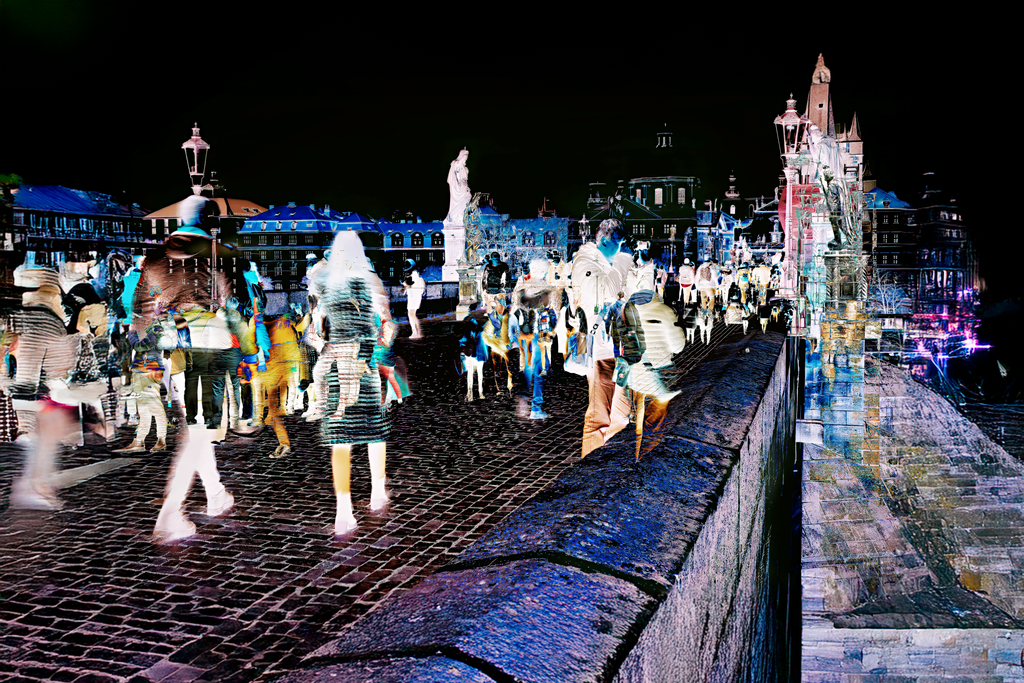
The fragmented bodies and layered traces of light on Charles Bridge transform public space into a choreographed topography of collective memory. Oscillating between documentary perception and ghostly apparition, the image points to the historical layers of a city shaped by transitions, losses, and continuous re-staging. Location: Prague.
[ Collector Preview → ]